"For while I destroyed his hopes, I did not satisfy my own desires. They were forever ardent and craving; still I desired love and fellowship, and I was still spurned. Was there no injustice in this? Am I to be thought the only criminal, when all human kind sinned against me?"
~ Frankenstein, page 165
Throughout the novel, all the people give the creature crap about being a hideous, horrid beast. Which is true. However, if you think about it, the creature is the only character (or at least one of the only characters) who shows emotional depth and multiple sides of his personality. He is by far the most round character in the whole novel. When he does his narrative, we see how he feels; his emotions are very, very extreme, and we witness a gamut. We see pain when he is abused by the villagers for his appearance, sadness when he weeps with Safie for the Native Americans, anger when he sets the De Lacey's house on fire, hope and excitement when Victor first agrees to creating the female, remorse after Victor dies and he realizes how horribly he has sinned, and sadistic pleasure when he sees Victor mourning the wife he just murdered. His complex character creates confusion for the readers; we hear about how he was beaten for being ugly, but then he murders several innocent people and gets sick pleasure out of it? It's really hard to tell if you even like him or not. But honestly, he's the most realistic character in the whole novel. Victor shows little emotion but fear and anguish, and he can't even get over the fact that the creature is unattractive; he's incapable of change. Elizabeth represents beauty, compassion, and innocence the whole novel; she doesn't show any other traits. Clerval is the supportive friend. Alphonse Frankenstein is the loving father that everyone wants.
It's really funny that the creature is supposed to be this terrible, demonic monster, but he has the most human character - the one-sided people in the book are more like artificial beings programmed with limited emotion and personality. Real people have both good and bad in them, and that's what makes this book so difficult. We don't want to like Victor because he is so flat, even though he doesn't do anything wrong. We love the creature because he is so genuine, but it's that genuineness that requires him to do bad things and experience painful emotions - which makes us simultaneously hate him. That, friends, is the great paradox of this novel. And of life in general.
Showing posts with label paradox. Show all posts
Showing posts with label paradox. Show all posts
Wednesday, April 11, 2012

Thursday, October 6, 2011
A Lovely Change of Pace / Paradox - Poetry Blog 3 (Lonely Hearts)
"Who knows where it may lead once we've begun? Can someone make my simple wish come true? Do you live in North London? Is it you?"
~ Wendy Cope, Lonely Hearts
The way I see it, this poem is paradoxical in two different ways.
1) The Conditions and the Situation: Each person who is writing in this "Personals" column has a different story, a different need, a different sexual orientation. However, all of these people want the same thing - love. Although these people come from diverse places and have different backgrounds, all of their hearts yearn for the same thing.
2) The Description and the Situation: The title "Lonely Hearts" suggests that each person writing in this column is alone, and not happy about it. All of these people may be alone in their life, but they are linked by what they seek. Everybody wants companionship; this brings about a tone of universality although the people are all considered lonely - there is someone out there who is like them (and hopefully someone who is for them).
 The "Situation" aspect of both paradoxes is the same - love. This is made apparent through the uniformity of the last lines of each stanza - "Do you live in North London? Is it you?" or "Can someone make my simple wish come true?" Also, the last stanza, "Who knows where it may lead once we've begun? Can someone make my simple wish come true? Do you live in North London? Is it you?" is what links all of these people together and creates a common wish for which we all strive in the end.
~ Wendy Cope, Lonely Hearts
The way I see it, this poem is paradoxical in two different ways.
1) The Conditions and the Situation: Each person who is writing in this "Personals" column has a different story, a different need, a different sexual orientation. However, all of these people want the same thing - love. Although these people come from diverse places and have different backgrounds, all of their hearts yearn for the same thing.
2) The Description and the Situation: The title "Lonely Hearts" suggests that each person writing in this column is alone, and not happy about it. All of these people may be alone in their life, but they are linked by what they seek. Everybody wants companionship; this brings about a tone of universality although the people are all considered lonely - there is someone out there who is like them (and hopefully someone who is for them).
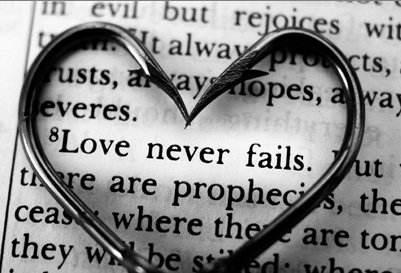 The "Situation" aspect of both paradoxes is the same - love. This is made apparent through the uniformity of the last lines of each stanza - "Do you live in North London? Is it you?" or "Can someone make my simple wish come true?" Also, the last stanza, "Who knows where it may lead once we've begun? Can someone make my simple wish come true? Do you live in North London? Is it you?" is what links all of these people together and creates a common wish for which we all strive in the end.
Wednesday, September 21, 2011
Fear the Unorthodox / Paradox - Poetry Blog 1 (Much Madness is Divinest Sense. Semaine Trois)
To start off week 3, I am once again going to look at a Dickenson poem. Much Madness is Divinest Sense is pretty typical - a sea of unnecessary capitalization and hyphens. Let's start:
Emily pulls a fast one on us and states society's consensus; however, she completely disagrees with her peers. Instead of assenting with this common belief, she thinks that "Much Madness is divinest Sense" - that insanity is sensible. When we think about insanity, we usually think of chaos and irrational actions or thoughts. When we think of sensibility, we think of organized thought and rational decisions. Because of the contrast between these two words, a paradox is created. Insanity is sensible because it's human - we overreact to situations and people, and we make mistakes and screw ourselves over sometimes. If someone is completely calm at all times, that may be a warning sign that he or she is kind of crazy. It's the quiet ones you have to watch out for, right?
Emily pulls a fast one on us and states society's consensus; however, she completely disagrees with her peers. Instead of assenting with this common belief, she thinks that "Much Madness is divinest Sense" - that insanity is sensible. When we think about insanity, we usually think of chaos and irrational actions or thoughts. When we think of sensibility, we think of organized thought and rational decisions. Because of the contrast between these two words, a paradox is created. Insanity is sensible because it's human - we overreact to situations and people, and we make mistakes and screw ourselves over sometimes. If someone is completely calm at all times, that may be a warning sign that he or she is kind of crazy. It's the quiet ones you have to watch out for, right?
Subscribe to:
Posts (Atom)